






Fair Trade and Artisan Sourcing Explained: Why It Matters for Your Home
When you buy a handmade basket, woven pillow, or artisan rug, you are choosing more than a look. You are choosing how that object came into the world, who made it, and whether the people behind the work are valued along the way.
That is the heart of fair trade and artisan sourcing. But what do those terms actually mean, and how can you shop for home decor with more confidence?
What Does Fair Trade Mean?
Fair trade is an approach to buying and selling that aims to create better conditions for producers and makers. In artisan home decor, that can include fairer pay, safer working conditions, more transparent relationships, and respect for the time and skill required to make a product by hand.
Fair trade is not simply a style or a marketing phrase. It is a commitment to treating the people who make goods as valued partners in the supply chain rather than as an invisible cost to be reduced.
What Is Artisan Sourcing?
Artisan sourcing means working with skilled craftspeople or groups of craftspeople who make products using traditional techniques and hands-on skill. Instead of beginning with a factory specification, the process begins with a material, a local tradition, and a maker's knowledge.
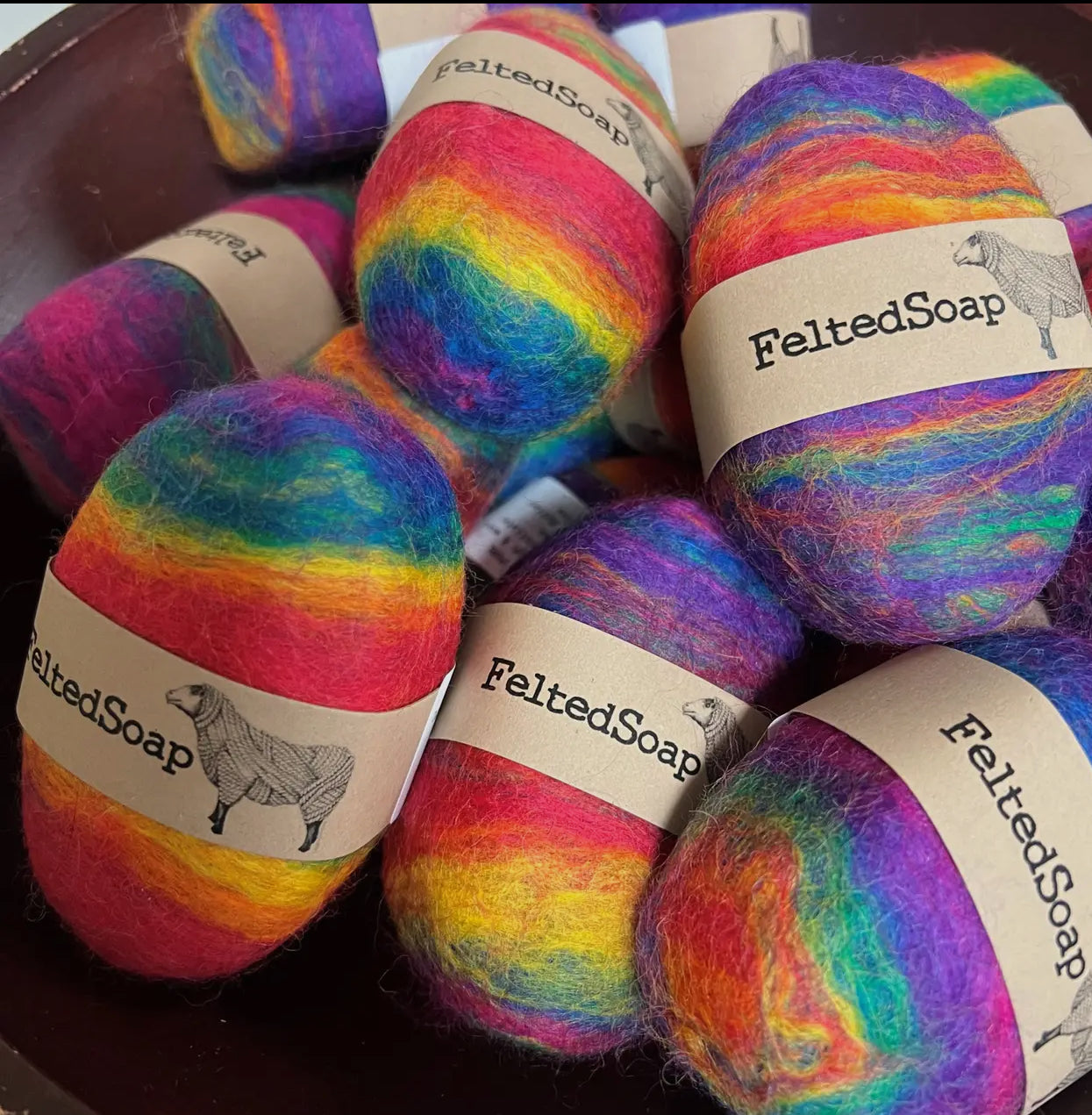
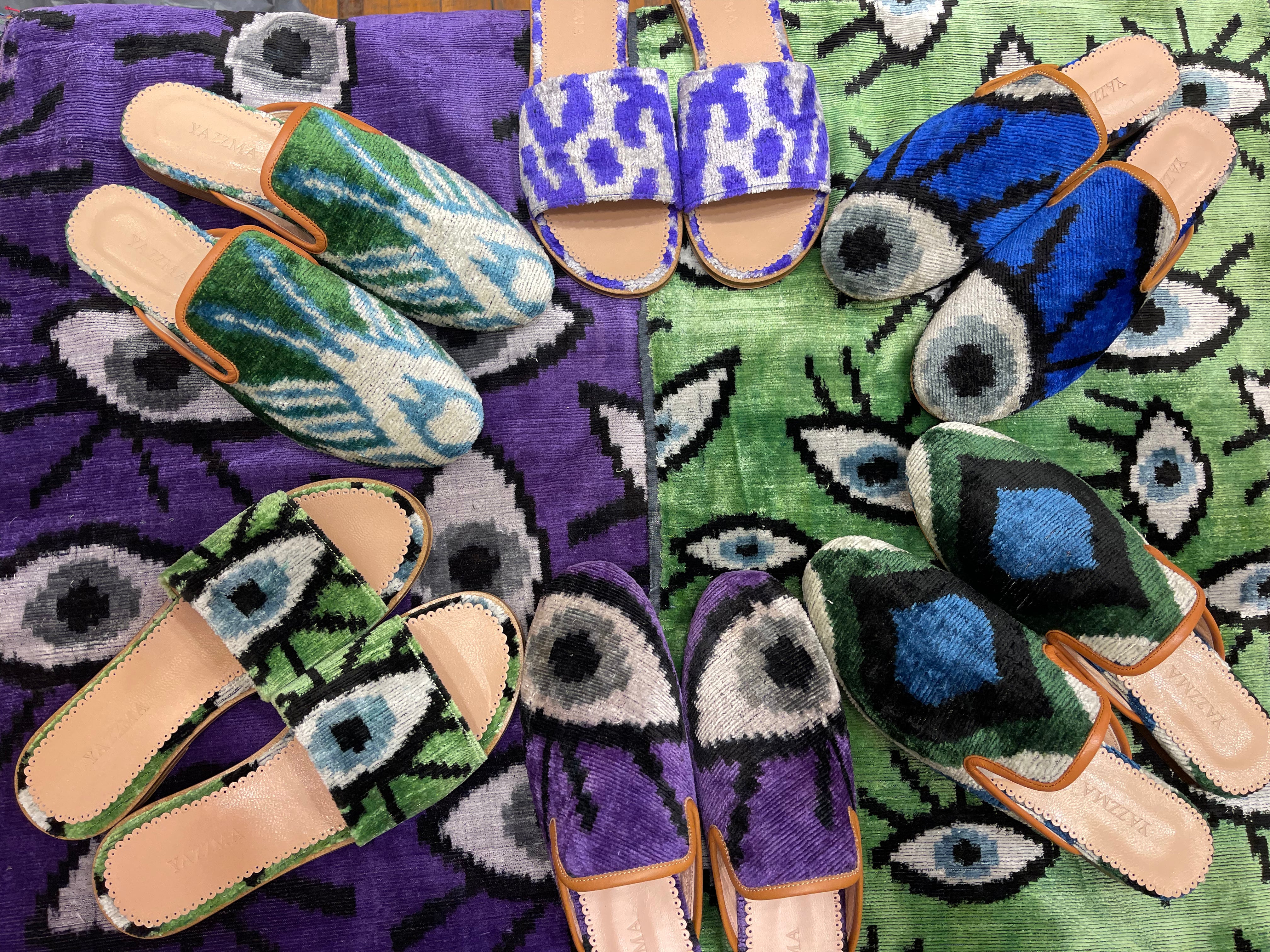
Artisan-made pieces often show small variations in color, weave, shape, or pattern. Those differences are not flaws. They are part of what makes a handmade object distinctive and proof that it was created through a human process.
Why Women Artisans Matter
Across many craft traditions, women have carried weaving, embroidery, basketry, dyeing, and sewing knowledge from one generation to the next. For women artisans, reliable access to fair markets can support income, creative independence, and the ability to continue these traditions on their own terms.
When shoppers choose thoughtfully sourced handmade goods, they help create demand for skills that might otherwise be pushed aside by mass production. The result is a home filled with pieces that have both visual character and a deeper connection to the people who made them.
How to Tell If Home Decor Is Truly Artisan-Made
No single label can tell you everything, but a thoughtful seller should be able to explain the basics of a product's story. Look for:
- Specific information about the technique: Does the description explain how the piece is woven, dyed, embroidered, carved, or sewn?
- Details about materials: Are the fibers, fabrics, dyes, or other materials identified clearly?
- Acknowledgment of variation: Does the seller explain that handmade pieces may differ slightly from one another?
- Respectful maker stories: Are artisans presented as skilled professionals, rather than reduced to vague or romanticized marketing?
- Transparency about sourcing: Can the seller describe its relationship to the artisans or sourcing partners?
Good sourcing information does not need to be complicated. It should simply give you enough context to understand what you are buying and why it is different from a mass-produced copy.
Fair Trade Does Not Mean Perfectly Uniform
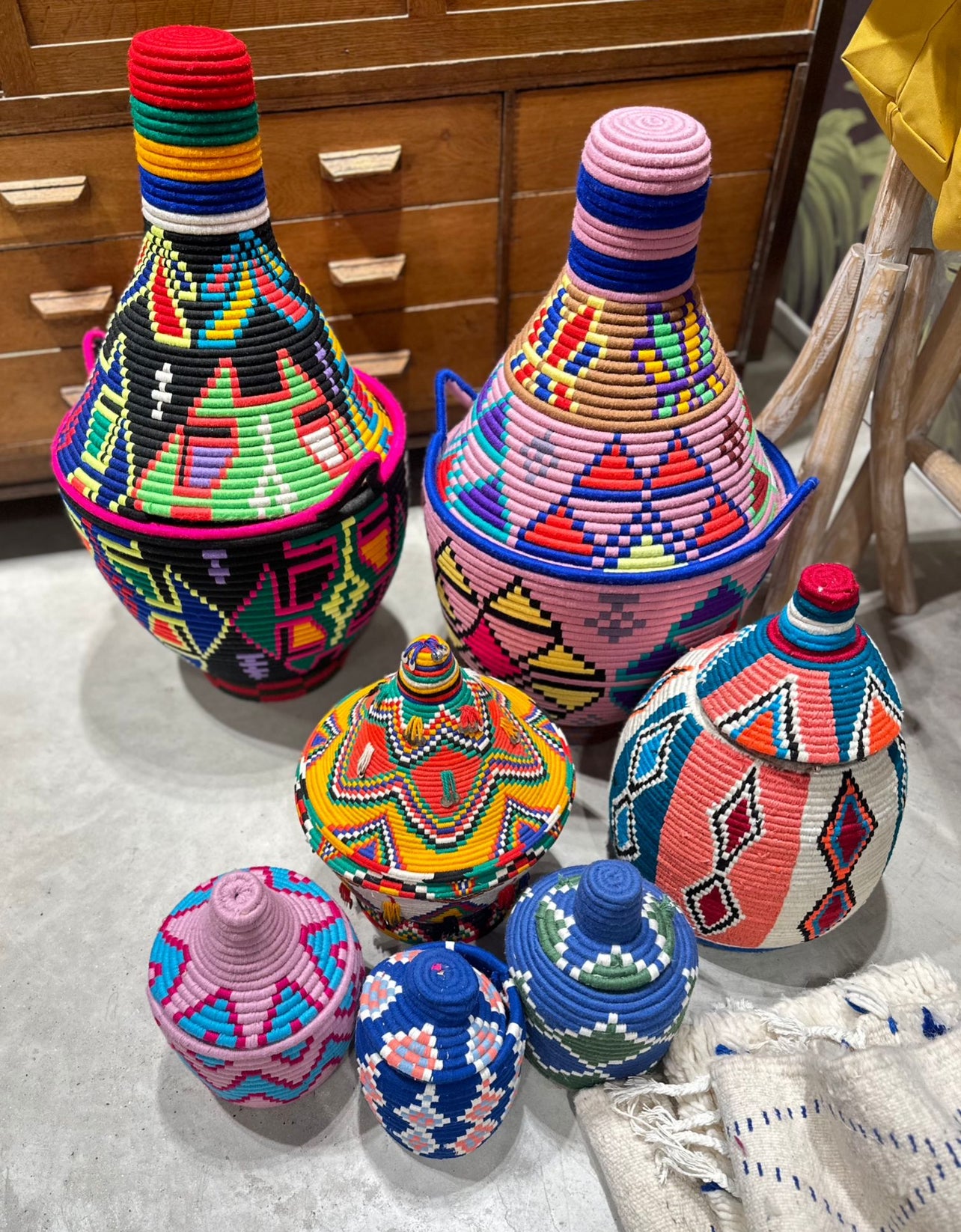
One of the joys of artisan-made decor is that it may not look factory-perfect. A handwoven basket may have a subtle difference in its coil. A textile may show a gentle variation in dye. A pillow pattern may be slightly shifted from one cover to the next.
These details are part of the object’s character. They also encourage a better relationship with the things we bring into our homes: buying fewer pieces, choosing carefully, and keeping them in use for a long time.
How to Decorate With Fair Trade Pieces
Fair trade decor fits beautifully into many interiors because it adds texture and story without requiring a complete redesign. Try one of these simple approaches:
- Start with one anchor piece: Use a handwoven rug, basket, or textile as the foundation for a room.
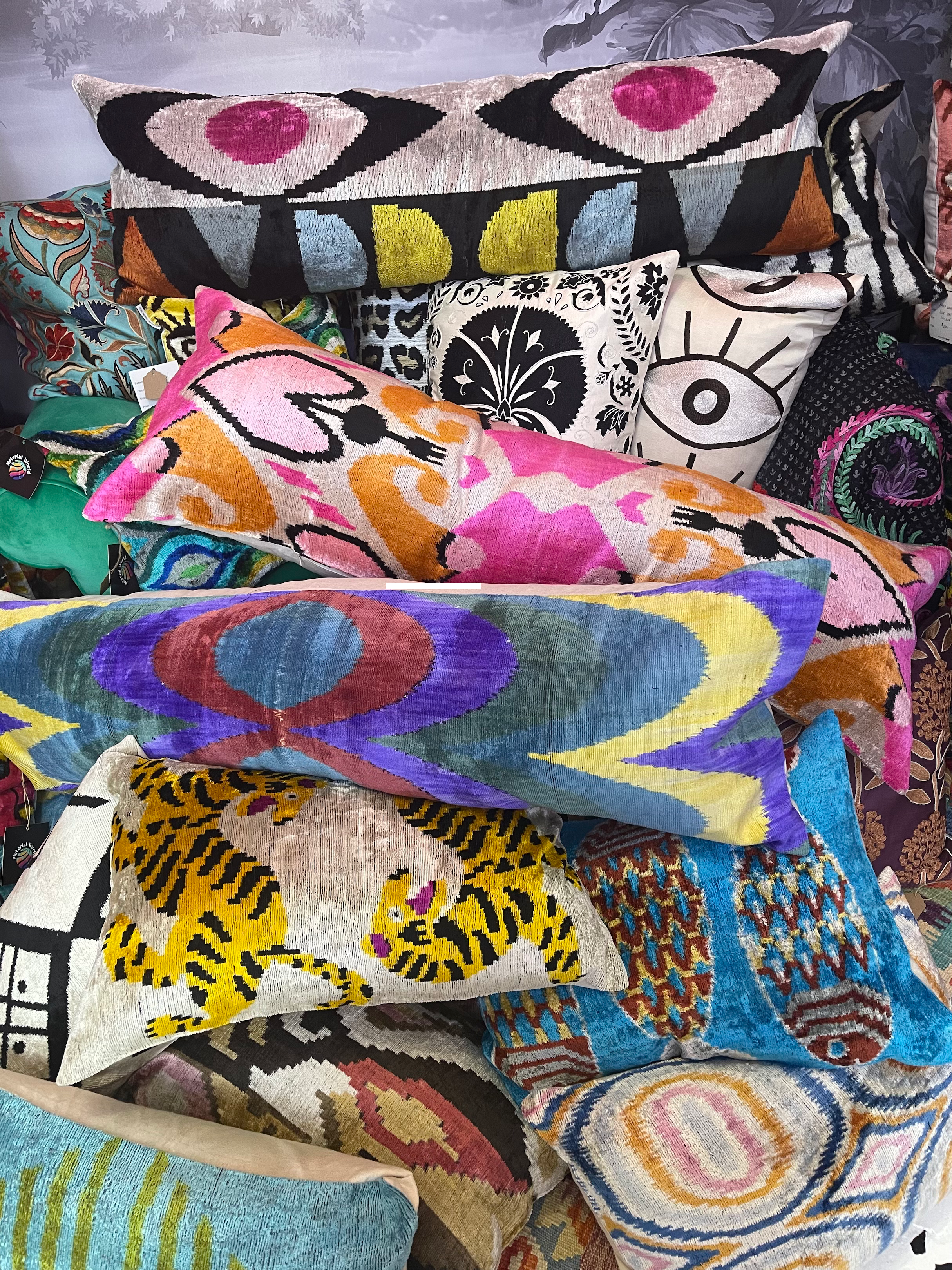
- Layer handmade textures: Pair a woven pillow with natural wood, linen, ceramics, or leather for a warm, collected feel.
- Mix old and new: Let an artisan-made object soften a modern sofa, clean-lined table, or contemporary room.
- Use functional decor: Choose baskets for storage, runners for the table, and throws for everyday comfort so the pieces become part of daily life.
Shop Artisan-Made, Fair Trade Home Decor
Material World celebrates artisan-made home decor sourced from women artisans around the world. Explore pieces chosen for their craftsmanship, material character, and ability to bring a more personal feeling to your space.
Explore Handwoven Berber Baskets and Storage →
Shop Artisan Throw Pillows and Pillow Covers →
When you choose fair trade and artisan-made goods, you are choosing useful beauty with a human story behind it.
Leave a comment